Ink on the Margins: How Chapbooks and Digital Zines Are Rebuilding American Dark Literature From the Ground Up
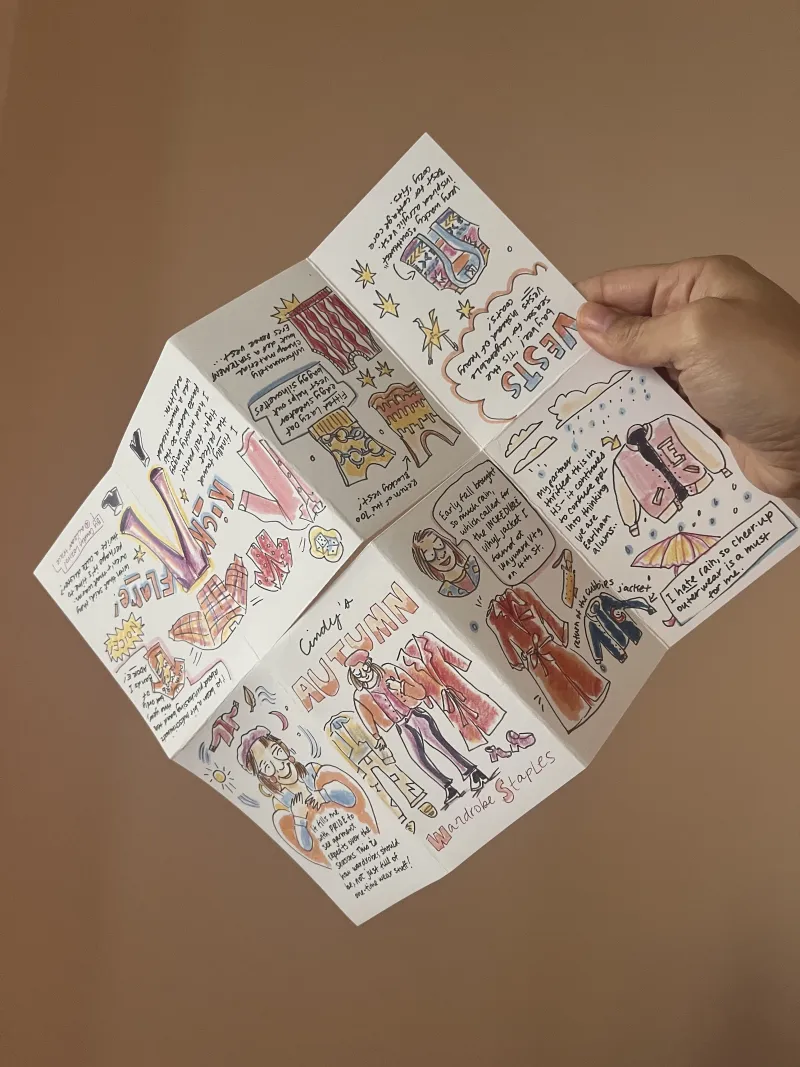
Photo: hand-stapled zine chapbook small press literary publication flat lay desk, via i.pinimg.com
Pick up a chapbook from a small-press horror publisher and you will notice something immediately: the paper has weight. Not merely physical weight — though many independent publishers make deliberate, almost defiant choices about materials — but the weight of intention. Someone chose to make this object. Someone ran the numbers, accepted the financial risk, and decided that this particular collection of dark poems or this novella-in-fragments deserved to exist in the world regardless of whether a major house would ever agree.
That act of determination is the animating spirit of one of the most significant movements in contemporary American literature, and it is happening almost entirely outside the institutions that typically define what counts as significant.
What the Micro-Publishing Ecosystem Actually Looks Like
The terrain is more varied and more vital than casual observers might assume. At one end of the spectrum sit hand-produced chapbooks — short-form collections, typically between eight and forty pages, often saddle-stitched or hand-bound, produced in runs that might number fifty copies or five hundred. These are objects with the intimacy of correspondence: made by someone specific, for an audience that the maker can, in some cases, almost name.
At the other end sit digital zines distributed through platforms like Substack, Itch.io, and Gumroad, or assembled as PDFs and distributed through Discord servers and Patreon communities. These publications may reach thousands of readers while maintaining the editorial independence and aesthetic risk-taking that characterize their print counterparts. Some operate as hybrid models — a digital subscription that periodically materializes as a physical artifact mailed directly to subscribers.
What unites these disparate forms is a shared refusal of the commercial calculus that governs mainstream publishing. When a major house acquires a dark fiction manuscript, it does so with a set of market expectations attached: comparable titles, projected sales, demographic targets. The micro-publisher operates under a different logic entirely, one that begins with the question of what the work demands rather than what the market will bear.
Horror, Noir, and the Avant-Garde Find Their Natural Home
It is not accidental that the genres most thoroughly thriving in the micro-publishing space — horror, noir, weird fiction, experimental prose poetry — are precisely the genres that major publishers have historically treated with the greatest ambivalence.
Horror, in particular, has experienced a remarkable revitalization through independent channels. Publications like Vastarien, the journal dedicated to Thomas Ligotti's brand of philosophical horror, and Nightscript, an annual anthology of strange and darkly literary fiction, have cultivated devoted readerships by committing to a vision of the genre that prioritizes atmosphere, psychological depth, and formal experimentation over commercial accessibility. Neither publication would likely survive a traditional publishing model. Both have become essential documents of where horror literature is actually going.
Noir has found similarly fertile ground in digital zines and small-press anthologies that restore the genre's original social critique — its attention to class, corruption, and the ways that power destroys ordinary people — after decades in which mainstream noir had softened into something closer to procedural entertainment. Publications emerging from cities like Chicago, Detroit, and Baltimore bring a specifically American urban texture to the form that feels urgent and, at times, genuinely revelatory.
Experimental and avant-garde dark fiction occupies perhaps the most interesting position in the ecosystem. Writers who are attempting to do something genuinely new with structure, voice, or the relationship between text and image have found in the chapbook and digital zine a format that accommodates their ambitions without requiring them to justify those ambitions to a sales team. The result is some of the most formally adventurous dark literature being produced anywhere in the country.
Finding the Work: A Practical Orientation
For readers who want to engage with this ecosystem, the challenge is navigational rather than financial. Much of this work is priced accessibly — many digital zines operate on a pay-what-you-can model, and chapbooks rarely exceed fifteen or twenty dollars — but discovering it requires knowing where to look.
Several aggregator communities have emerged to address this need. The r/WeirdLit and r/horrorlit communities on Reddit maintain active threads devoted to small-press recommendations. The Horror Writers Association maintains resources that extend well beyond its major-press membership. Newsletters like The Lineup and various author-run Substacks dedicated to genre fiction regularly surface micro-press titles that deserve wider attention.
Bookshop.org has become an increasingly useful discovery tool, as many small presses have established storefronts there that allow readers to support independent booksellers simultaneously. Etsy, though an unconventional literary marketplace, hosts numerous chapbook publishers whose work would be difficult to find elsewhere.
Conventions and literary festivals — particularly those with explicit small-press programming, such as the Stoker Weekend or regional zine fests held in cities like Portland, Austin, and Philadelphia — offer the additional advantage of direct contact with makers. The conversation that happens at a small-press table is qualitatively different from any algorithm-driven recommendation, and it frequently leads readers to work they would never have encountered otherwise.
Why This Moment Matters
The micro-publishing renaissance is not merely a charming cultural phenomenon. It represents a structural response to real failures in the mainstream literary economy — failures that have consequences for what kinds of voices get heard and what kinds of stories get told.
Major publishing has grown increasingly risk-averse, concentrating resources on a small number of high-profile titles while midlist authors — the writers who, in previous decades, constituted the backbone of a healthy literary culture — find it progressively harder to build sustainable careers within traditional structures. For writers working in dark, experimental, or otherwise difficult-to-categorize modes, this consolidation has been particularly punishing.
Micro-publishing does not solve this problem, but it creates genuine alternatives. Writers who publish chapbooks and digital zines often do so while developing the larger projects that may eventually find their way to traditional publishers — or may not, having discovered that the micro-publishing model serves their work better than any alternative on offer. Either way, the work exists. It reaches readers. It enters the conversation.
There is something genuinely radical about that insistence on existence — about the decision to make the work and release it into the world on one's own terms, without waiting for institutional permission. It is, in its way, the oldest literary impulse there is: the conviction that the story matters enough to tell, and that someone, somewhere, is waiting to receive it.
The margins, it turns out, are where the most interesting things are being written. The only question is whether you know how to find them.