The Voluntary Haunting: Inside America's Ritual of Reading Horror Alone at Night
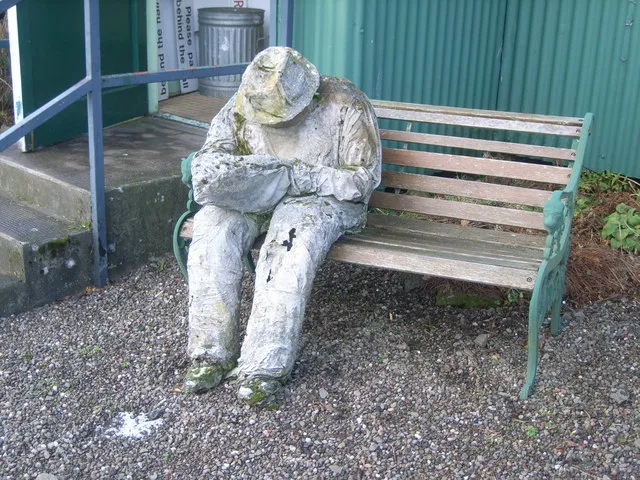
Photo: Nicholas Mutton, CC BY-SA 2.0, via Wikimedia Commons
There is a particular hour, somewhere between the last notification of the night and the first bird, when the American reader becomes someone else entirely. The house settles. The refrigerator hums its one note. And in bedrooms, dens, and parked cars across the country, readers open the book they deliberately saved for this exact moment — the one with the thing in the walls, the thing at the window, the thing that only moves when you look away.
Nobody has to read horror at 3 a.m. That is the point. It is one of the few voluntary hauntings left in American life.
Loneliness as Setting
Ask horror readers when they read and a pattern emerges with almost eerie consistency. They do not say 'weekends' or 'on vacation.' They say 'after everyone's asleep.' 'When my husband's on nights.' 'Alone, obviously.'
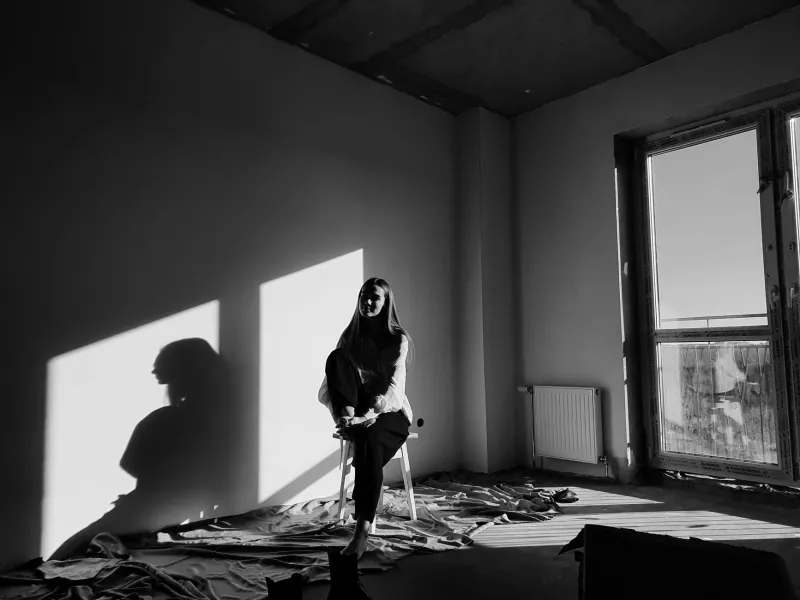
What the reading community has long understood and publishing is only beginning to name is that loneliness functions as a setting in horror consumption — as real as the haunted house or the fog-drowned town. The dark bedroom is not incidental to the experience; it is co-author. A novel about an encroaching presence read in a bright airport lounge is a story. The same novel read at 2:47 a.m., when the reader is the only consciousness in the building, becomes a negotiation.
This is why the same reader who devoured a plague novel on the subway will refuse to finish the ghost story downstairs. The book hasn't changed. The setting has. Horror readers intuitively understand what craft writers are taught: dread is a function of isolation, and isolation is something the reader can supply.
The Ritual Before the Descent
The practices are remarkably uniform, and remarkably private. Readers describe dimming lights to a level their optometrists would disapprove of. They describe waiting — sometimes for weeks — until the household is quiet enough. One reader in Ohio told us she keeps a specific paperback, bought used and water-stained, solely for the 3 a.m. slot, because 'the new hardbacks feel too safe.'
There is discipline here, almost liturgical. The reader descends on purpose, at an appointed hour, into a chosen darkness. And crucially, the fear is bounded. The book can be closed. The lamp can be switched on. The cat can be summoned. This is what distinguishes the ritual from mere anxiety: it is terror with an off switch, practiced nightly by people whose days offer very few.
What the Dark Is For
The easy reading is that these readers are chasing adrenaline, a caffeine-free jolt before sleep that never comes. But the testimony suggests something stranger and gentler. Again and again, readers described the hour not as frightening but as theirs — the only unscheduled, unmonetized, unshared time in their day. The horror is almost a pretext. The darkness is a room they get to occupy alone.
In a country where loneliness has been recast as epidemic, where the default evening is a screen full of other people's faces, the 3 a.m. bookshelf is a small act of sovereignty. The reader chooses the dark. Chooses the fear. Chooses to be alone, briefly, with something that cannot demand anything back.
The scary story, in this light, is less a threat than a companion — the only one that shows up at the hour it promised to. Small wonder Americans keep the appointment.